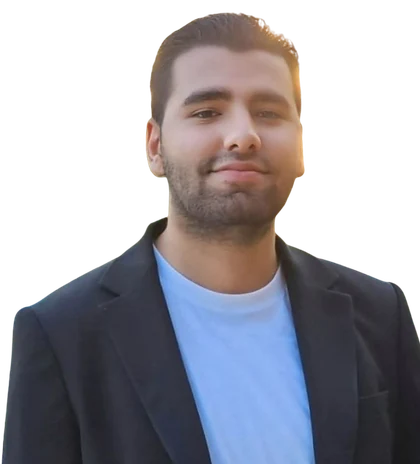
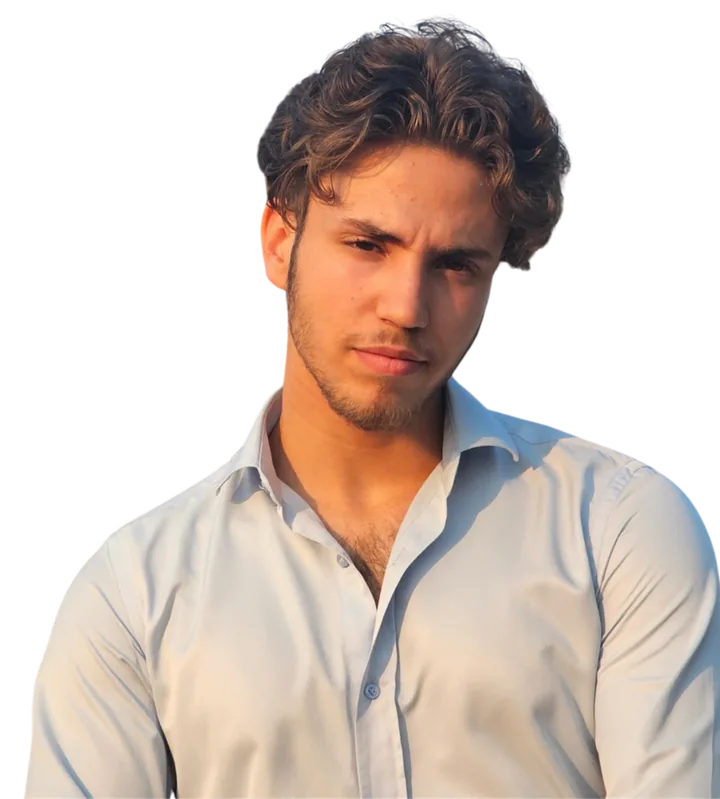
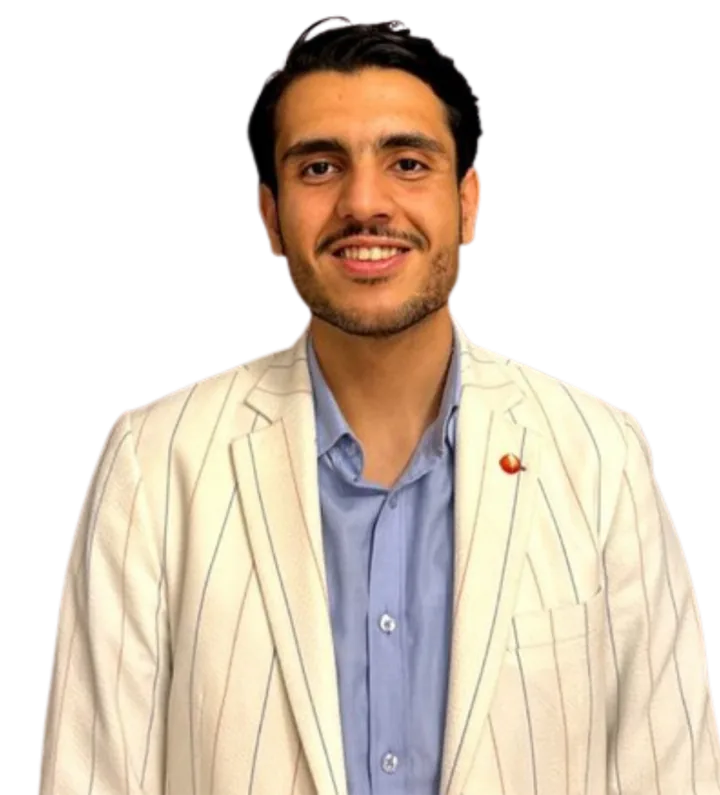
Karrar
Karrar United States
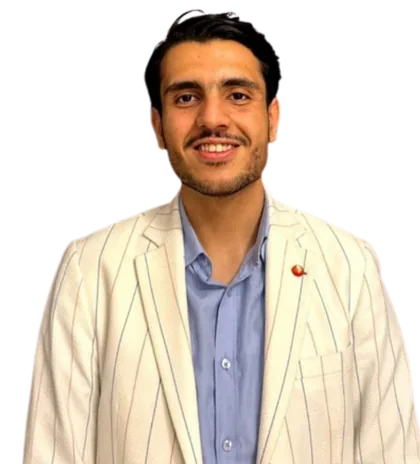
Moha
Moha Iraq
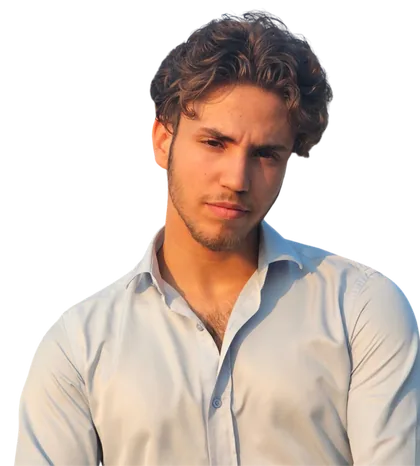
Joe
Joe Iraq

Turning medical knowledge into community care.

We are a three-person team working between the United States and Iraq on research, outreach and health education.

Three people, two countries, one way of working.

Good health information often exists. It just doesn’t reach the people who need it, in a form they can use.

That gap is where we work. From the United States, Karrar builds partnerships and a two-way exchange between Iraqi and American communities. Moha and Joe work on the ground in Iraq. Between us we cover the partnerships, the research and the design, so an idea can travel from a dataset to a classroom to a poster without leaving the team.

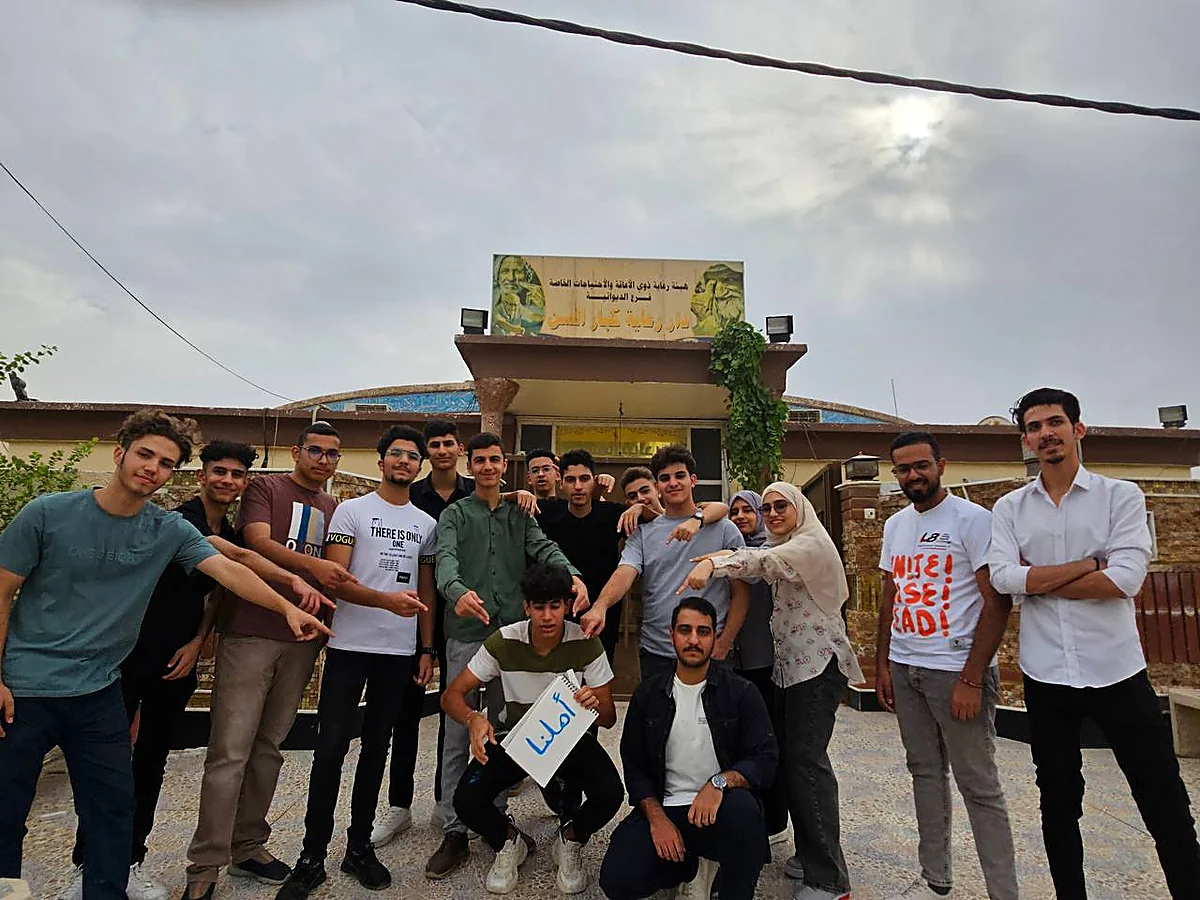
A group of young volunteers pointing playfully at the camera outside an elderly care home; one holds a sign written in Arabic
Volunteers outside an elderly care home after a visit.
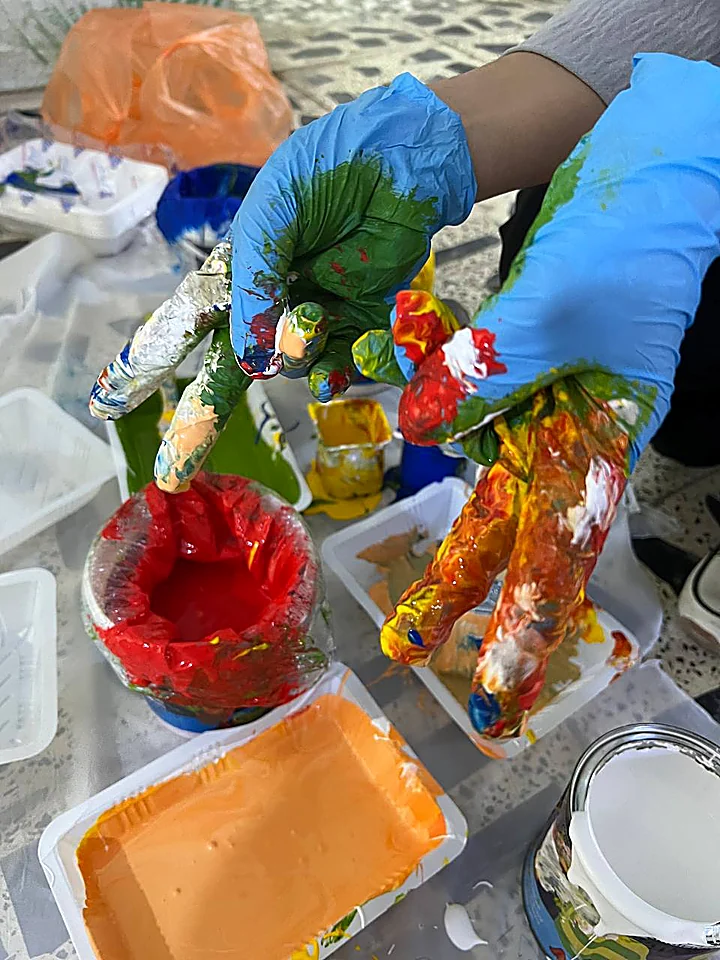
Gloved hands covered in bright green, red and yellow paint above trays of paint
A hands-on painting activity from our community work.
  1. Count

    Start with the evidence. Organize what is known before deciding what to do.

  2. Visit

    Go where people are: care homes, campuses, neighborhoods. Then go back.

  3. Explain

    Translate medical knowledge into language and images anyone can share.

Five initiatives, from records to classrooms.

Each one began with a gap we could see: missing data, missing visits, missing conversations. Here is what we did about them.

Iraqi Typhoid Data Initiative Project contributor, with IFMSA-Iraq

Putting typhoid on the map.

Typhoid fever is still endemic in parts of Iraq, but information about it is scattered across places and formats. Together with IFMSA-Iraq, we helped build a database that brings epidemiological records into one consistent structure, so patterns are easier to see and research is easier to begin.

  • Organize case information in a single, consistent format
  • Support disease monitoring and public health research
Governorates
18
Records
500+

Illustrative figures

Iraq’s 18 governorates Hover or tap a governorate to see its name. Boundaries: geoBoundaries.
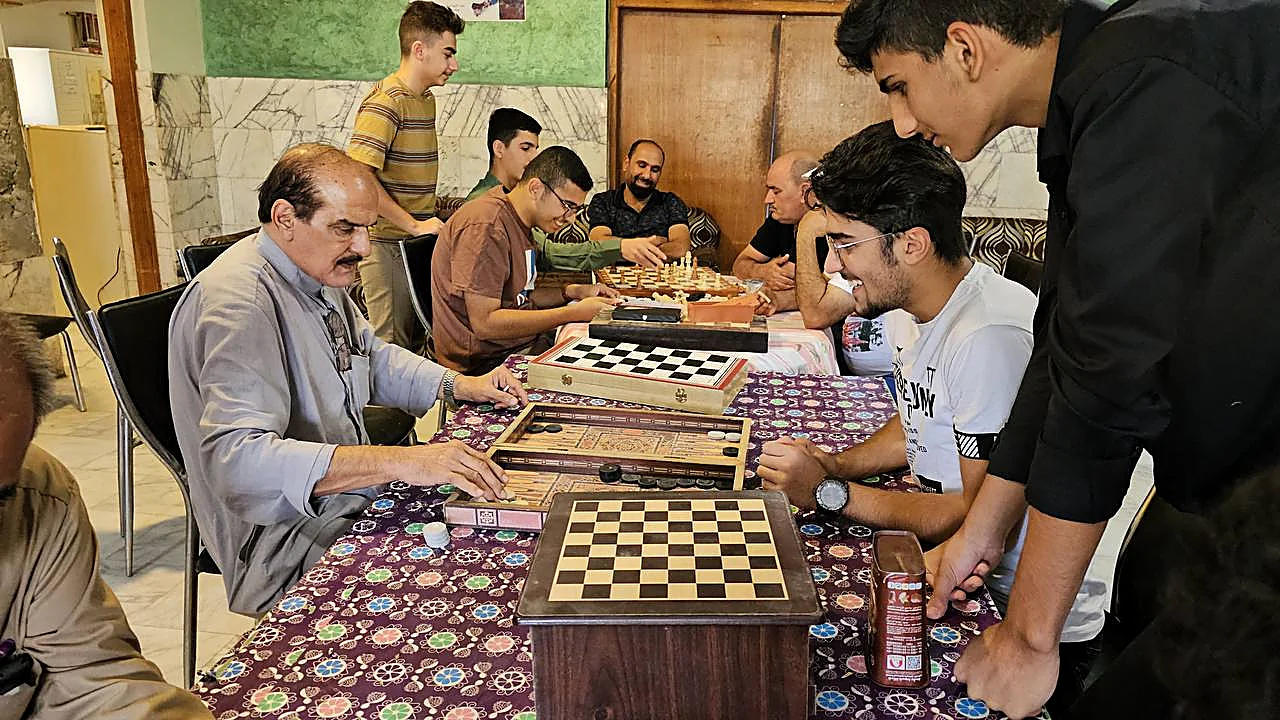
An elderly man plays backgammon with young volunteers at a table set with chess and backgammon boards
An afternoon of backgammon and chess during a care home visit.

National Elderly Care Outreach Outreach coordinator

Showing up, and coming back.

Many residents of elderly care facilities in Iraq see few visitors and receive irregular health support. We organized visits and, just as important, follow-ups: basic health support, time to talk, and practical help where it was needed.

  • Bring basic healthcare support to underserved residents
  • Build lasting contact through return visits
Facilities
15
Beneficiaries
300+

Illustrative figures

One arch for each of the 15 facilities

Iraqi Environmental Data Project Research intern

Measuring the air where people breathe it.

Low-cost sensors
Community observations
Local monitoring, city by city

Many Iraqi cities have little local data on air quality, and even less on how pollution shifts with the seasons. This project mapped where those gaps are, then designed a framework that combines readings from low-cost sensors with what residents observe themselves.

  • Identify gaps in environmental data collection across cities
  • Pair sensor data with community observations for local monitoring
Cities studied
6
Environmental indicators
3

Illustrative figures

Wa’y logo

Wa’y Mental Health Awareness Campaign Founder & community outreach partner, with IFMSA-Iraq

Wa’y means awareness.

Wa’y is a youth-led campaign we founded with IFMSA-Iraq. Its sessions talk with students about mental health in plain language, so that medical knowledge becomes something they can recognize in their own lives, and share.

Awareness sessions
12
Students reached
400+

Illustrative figures

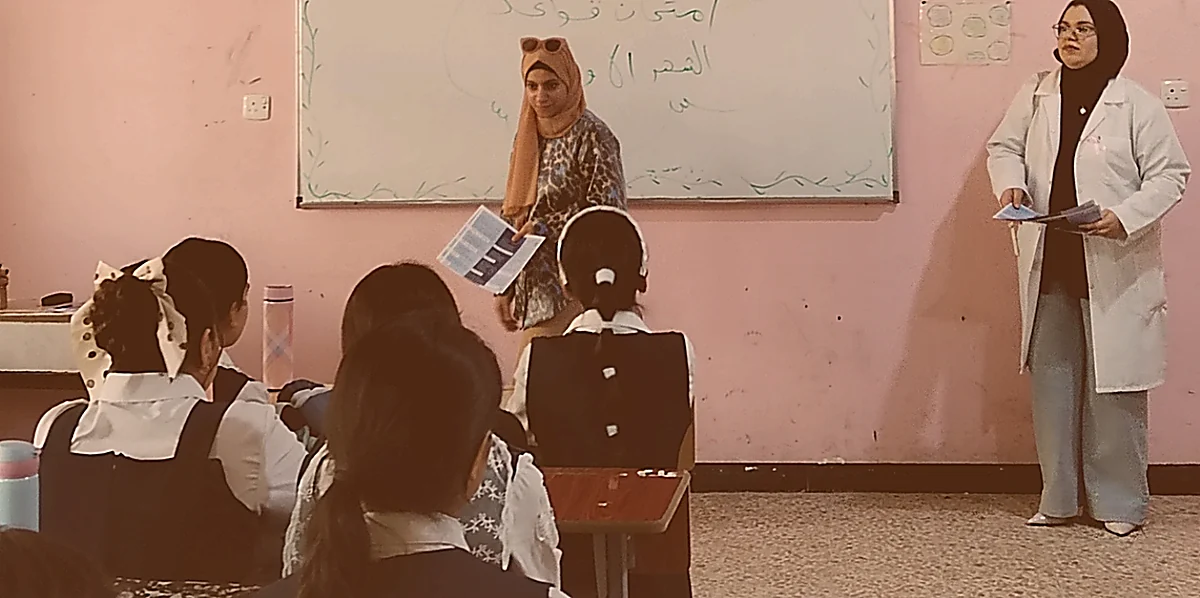
A volunteer in a white coat stands at the front of a classroom while leaflets are handed to schoolgirls
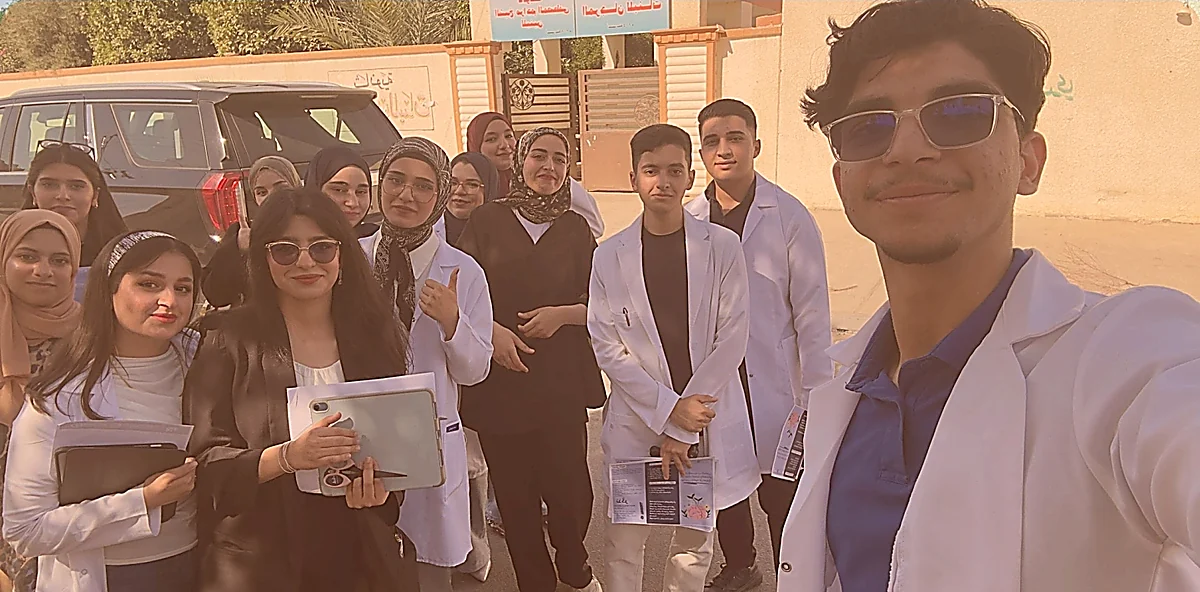
A group of medical student volunteers in white coats, holding leaflets, pose for a selfie outside a school

Photos from Wa’y awareness sessions in schools.

Antibiotic Resistance Awareness Research Independent researcher

Cross-sectional study design

Why do students take antibiotics without a prescription?

We designed a cross-sectional study of Iraqi university students: how they use antibiotics, where they get them, and what they know about antimicrobial resistance. The goal is to show where awareness efforts can change the habits that drive resistance.

Key research questions

  • How common is self-medication with antibiotics?
  • Where do students obtain antibiotics without a prescription?
  • How aware are they of antimicrobial resistance?
Participants in scope
350
Universities in scope
5

What the work adds up to.

The figures each initiative reports, side by side. Every number below matches the one shown in its project above.

Typhoid data

18
governorates covered
500+
records organized

Elderly care

15
facilities visited
300+
beneficiaries

Environmental data

6
cities studied
3
environmental indicators

Wa’y campaign

12
awareness sessions
400+
students reached

Antibiotic resistance Study design

350
participants in scope
5
universities in scope

These figures are illustrative estimates for this presentation and have not been independently verified.

The team.

Three complementary roles: one builds bridges, one researches, one makes it visible.

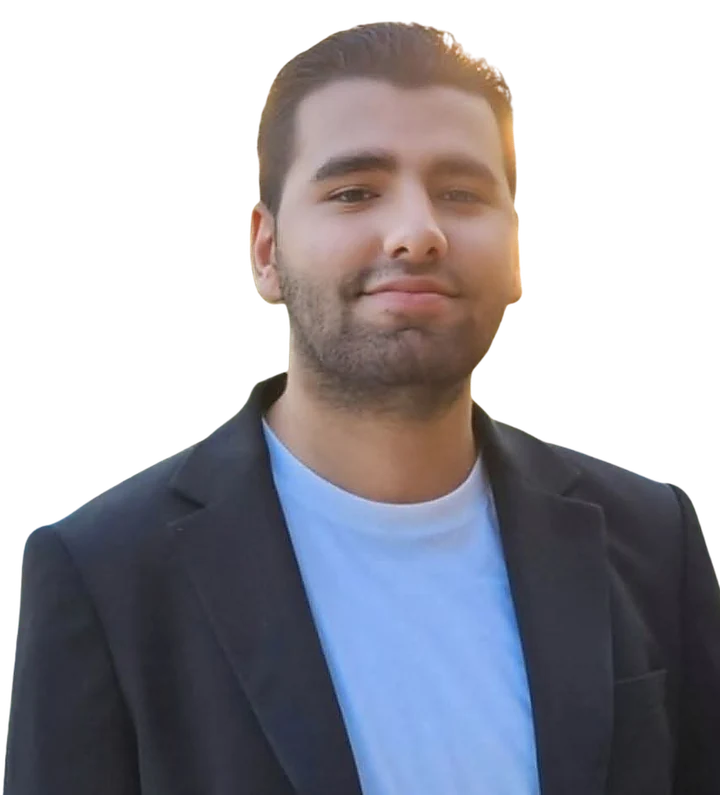
Portrait of Karrar

Karrar

International Partnerships & Exchange

Based in the United States

Builds bridges between Iraqi and American communities, fostering a two-way exchange of knowledge, experience, and opportunities while bringing people together to advance our medical, research, and community initiatives.

Portrait of Moha

Moha

Research & medical initiatives

Based in Iraq

Turns questions into projects: shaping research, organizing data and running outreach and public health work on the ground.

Portrait of Joe

Joe

Visual design & creative communication

Based in Iraq

Makes the work visible, from campaign posters to the way this page looks, so the message lands with the people it is for.

Have a gap worth closing?

We’re open to collaborating with student groups, health organizations and researchers who need data organized, people reached, or a message made clear.

Email the team